Begin at the Play tab, then choose the lineup
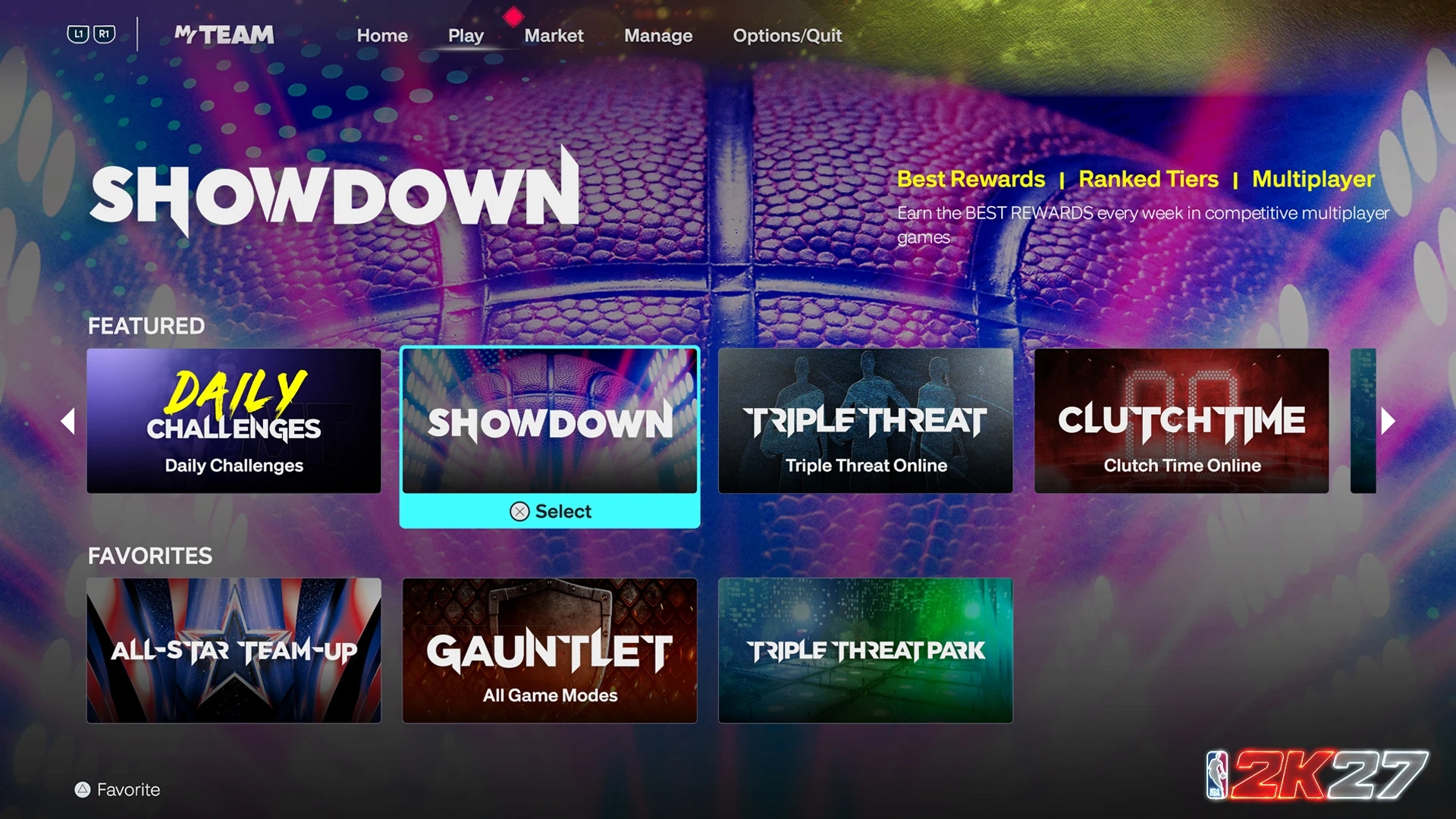
MyTEAM’s revised Play tab is meant to put the available activities within easier reach. Use it to choose the kind of session before rebuilding the whole collection. A short run with a few cards, a full-lineup game and a long Gauntlet attempt demand different depth and preparation. The most expensive-looking lineup is not automatically the most useful one for every activity.
Start with a role for each active card. Who brings the ball up? Who can create a second action when the first one fails? Who covers the paint and finishes the rebound? NBA and WNBA stars are both part of the collection, but their fit still comes from how the lineup plays together. A favorite player can remain useful because of a specific job rather than their position in a general tier list.
Player XP belongs beside the card’s other improvements
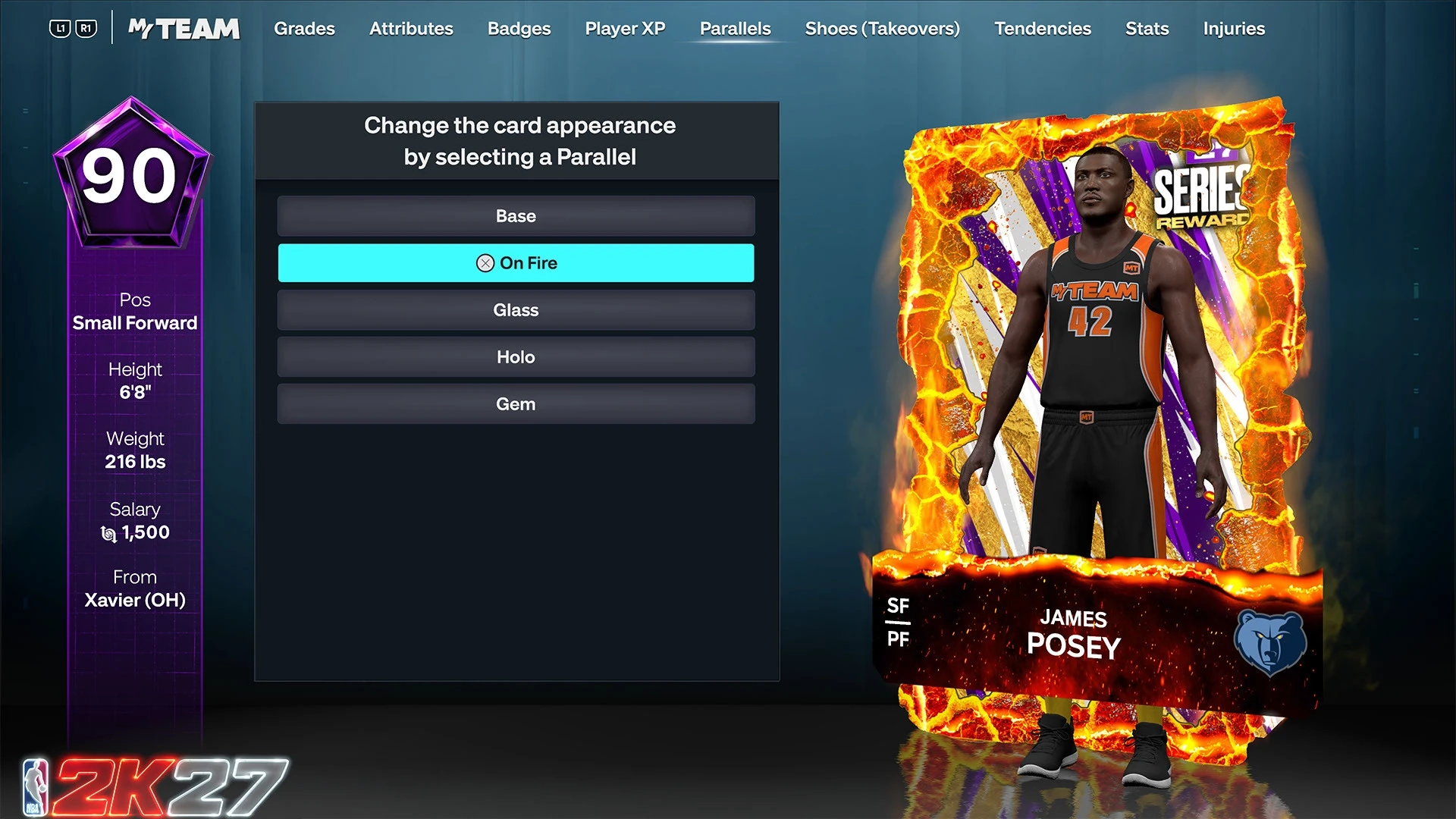
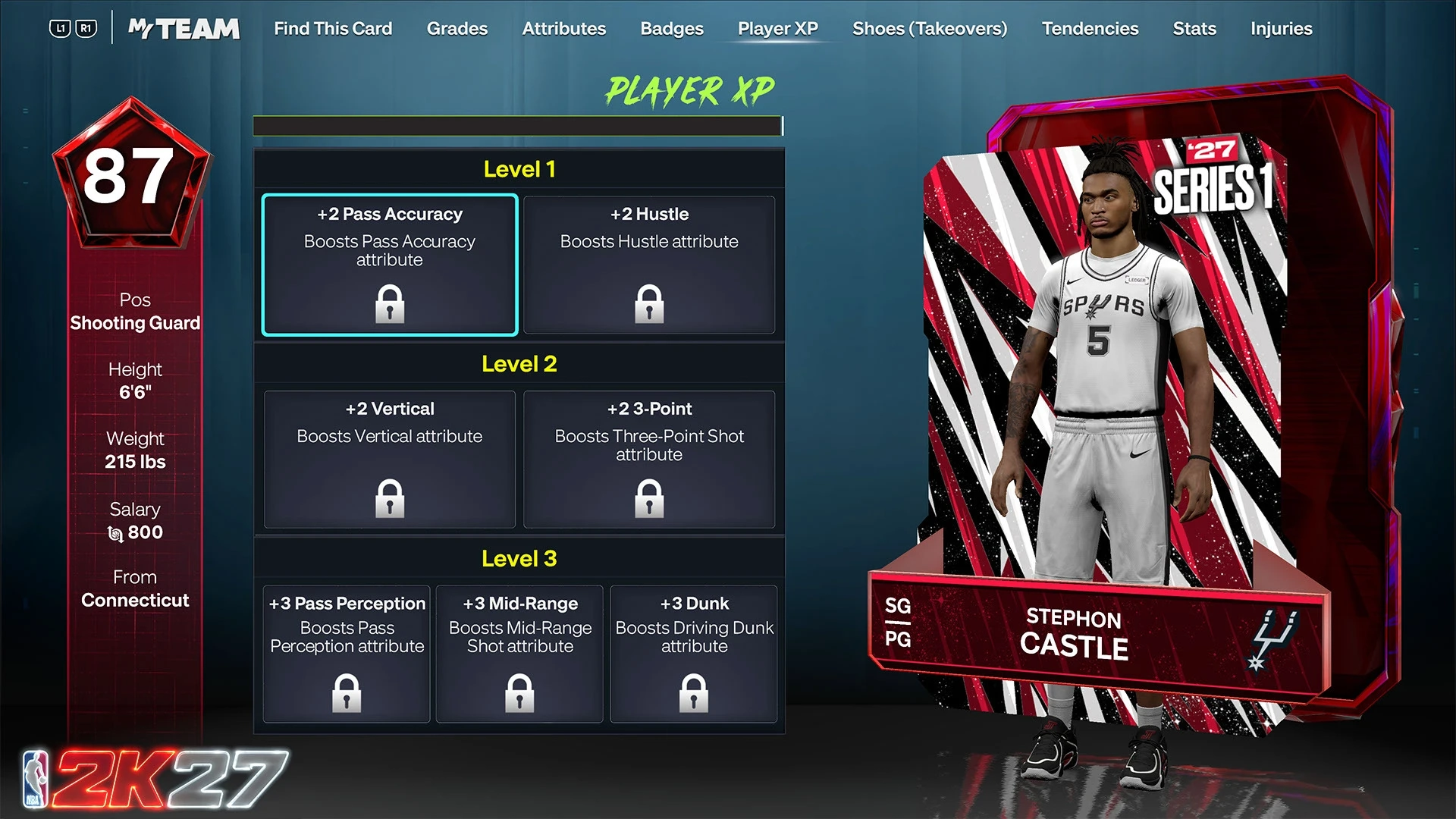
The new Player XP system lets Player Cards progress through use. The official report describes rewards including attribute improvements, an extra Badge Slot, an additional turbo meter and other benefits at particular levels. Those rewards stack with systems such as Evolutions, Dynamic Duos and Coach Cards, rather than replacing every existing source of improvement.
XP is tied to the account. If a card is auctioned or exchanged and the same card is later reacquired, its earned progression is retained according to the report. That is different from assuming a different version of the same athlete shares all of that progress. Inspect the exact card and its progression screen when deciding what to keep. A player name alone is not enough to identify the item whose XP you have earned.
The Exchange changes what a spare card can do
2K says Player Cards can now be exchanged more broadly, including Season level reward cards, with Free Agent cards excluded. Completing a collection makes cards unauctionable rather than simply making them useless to this new Exchange approach. The practical result is that an unused card can have a future purpose even when it no longer belongs in the active rotation.
Read the exchange requirement and the item’s status before confirming. Compare the reward with the specific cards you are giving up, not only with a headline rating. A card may still matter to another lineup, an unfinished activity or your personal collection. There is no need to treat every newly available exchange as an instruction to empty the bench immediately.
Find a card through the game’s own records
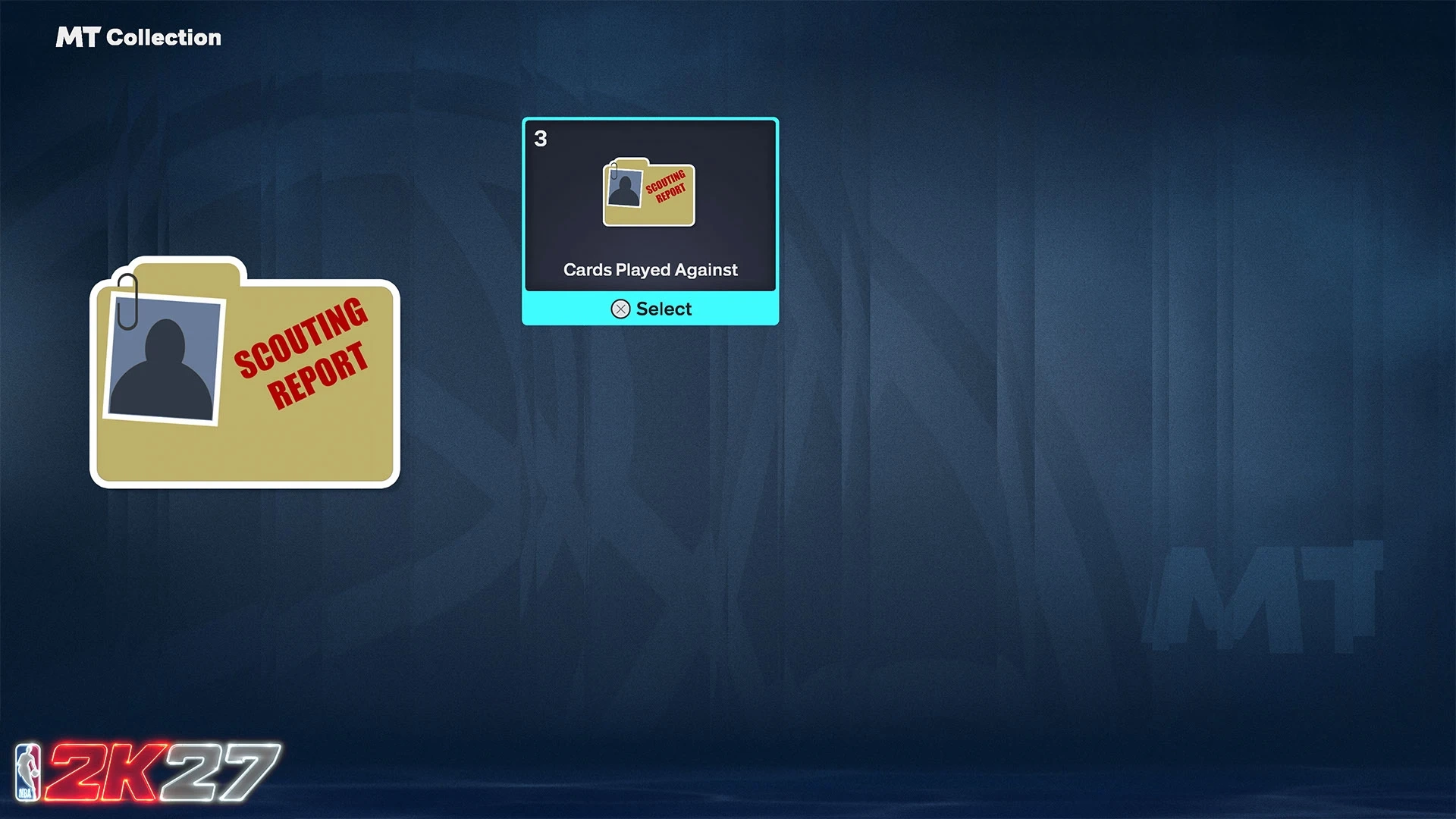
The Scouting Report in Collections shows recent Player Cards you faced. From there, the report describes wishlist and View Player options that show whether a card comes from the Pack Market, an Auction House listing or a mode reward. Collection Search can also look for unowned cards by name or a minimum attribute threshold.
This gives you a concrete next step after facing an unfamiliar card. Identify the exact version, inspect how it is obtained and decide whether that route suits the session you want to play. A difficult opponent does not prove that their card is immediately affordable or necessary for your lineup. Sometimes the useful lesson is how they created an opening with the card, which can be studied without buying the same item.
Markets and matchmaking have different boundaries
The unified Auction House described in the official report covers PlayStation 5, Xbox Series X|S and Nintendo Switch 2. It is a marketplace statement, not a declaration that every platform shares gameplay matchmaking or that PC is in that exact auction pool. The FAQ separately identifies the console crossplay group and the Windows PC–Steam group.
Keep these distinctions attached to any advice about prices or finding opponents. A card listing seen on one platform does not establish a universal market price, and a shared market does not by itself mean two players can enter a game together. Use the market and invitation screens available on your own platform for the transaction or session you are planning.
Swipe to read the full table →
| Activity | What changes the preparation | Useful first check |
|---|---|---|
| Triple Threat Park | Smaller team and co-op context | Which card has your role? |
| All-Star Team-Up | A shared lineup priority set | Teammates and controlled position |
| Breakout | Boards expand through warps | Route and available choices |
| Gauntlet | Collection depth sustains the run | Eligible remaining card uses |
Choose depth when the mode asks for it
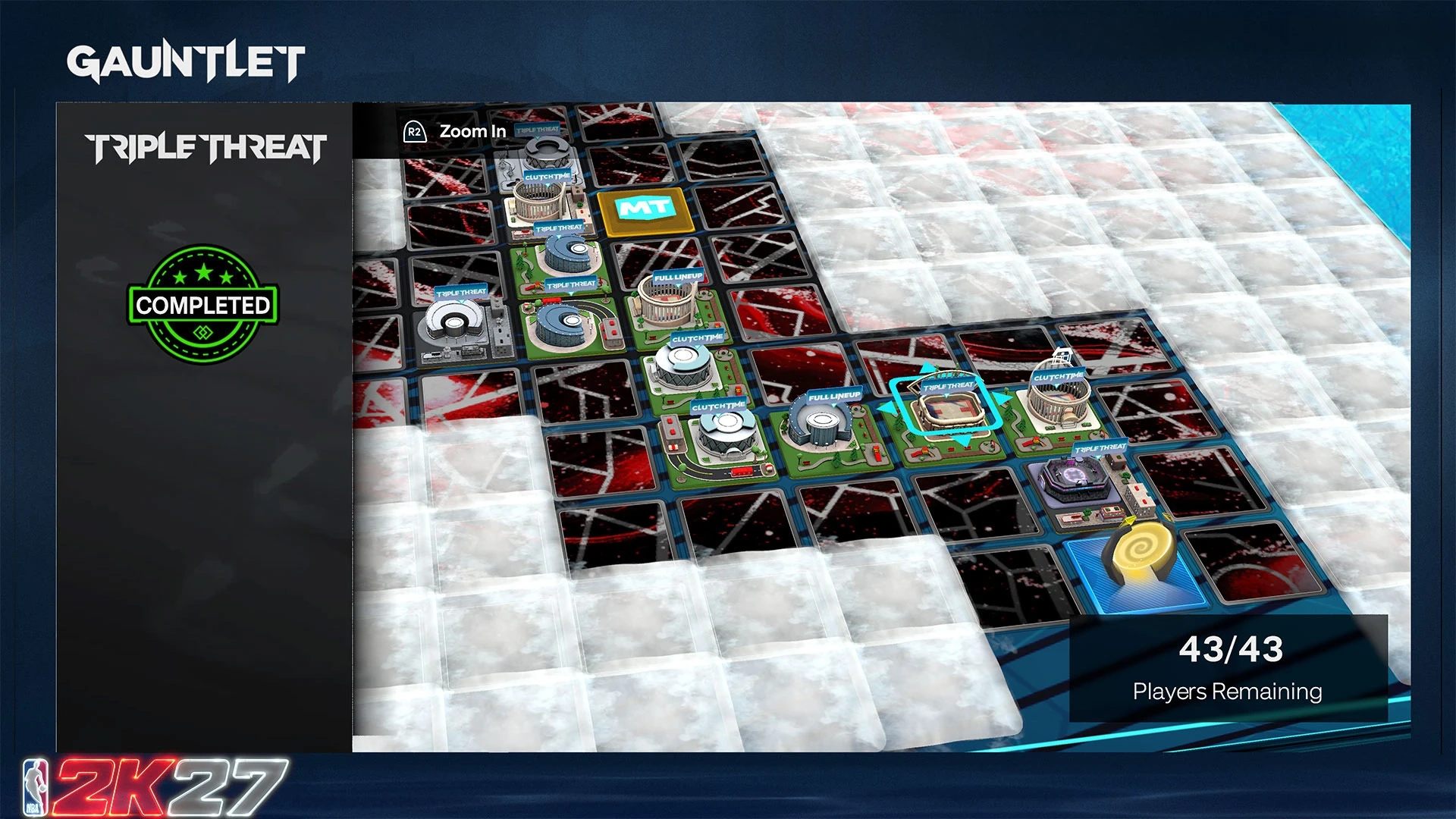
Gauntlet becomes an ongoing run supported by the eligible Player Cards left in the collection. The report describes preselected cards in each game and shops that exchange remaining card uses for rewards, creating a choice between immediate value and extending the run. Breakout instead expands the board as you warp, adding spots and changing the route planning problem.
These formats explain why a collection should not be judged only by its best starting five. Keep enough useful options for the activities you enjoy, and inspect how an exchange or sale affects those options. Finish a session by checking which cards actually contributed, what XP they earned and which role was missing. That is a more dependable shopping list than replacing every card after one difficult game.