The offseason creates the next season’s problems
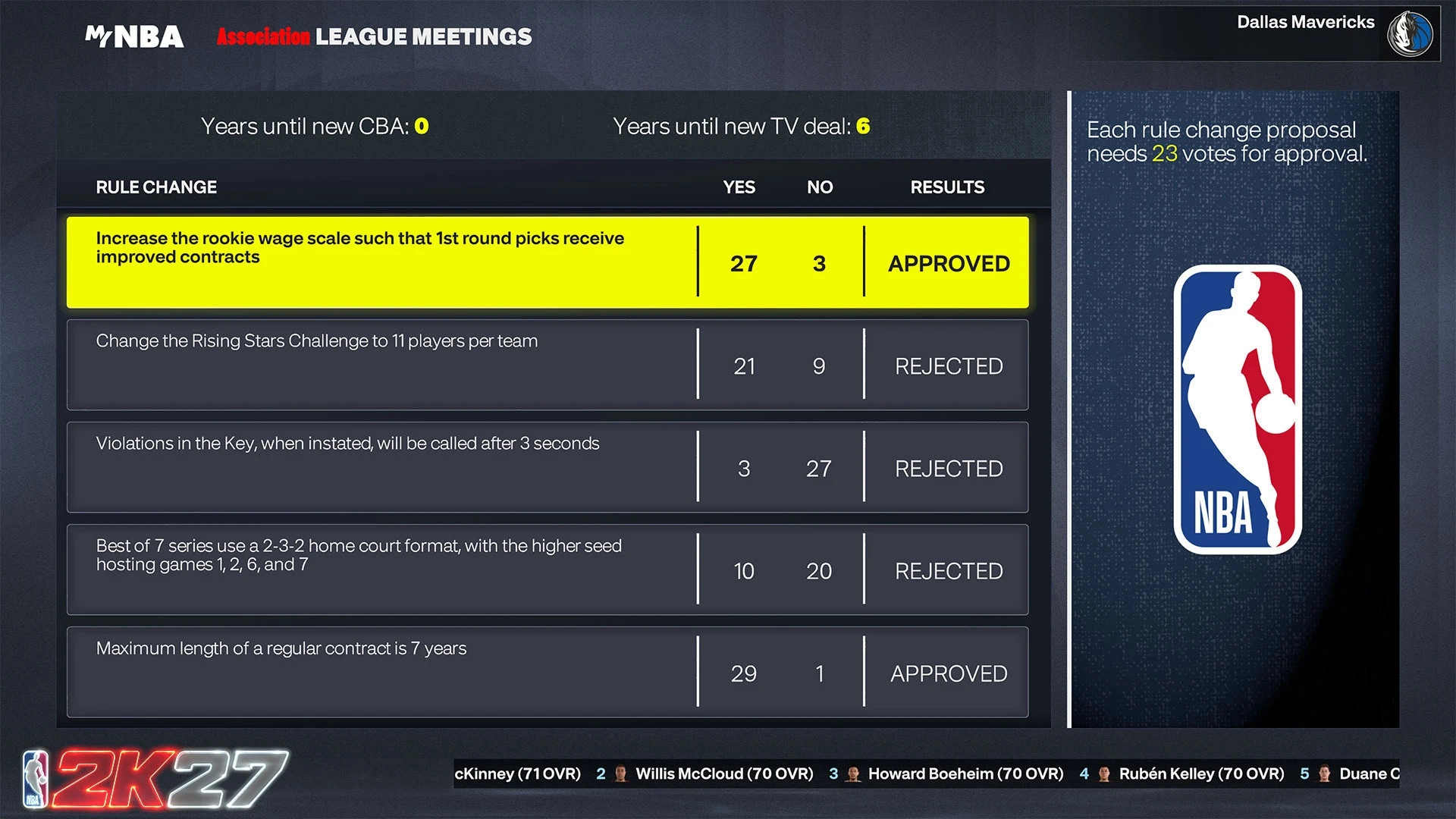
MyNBA in NBA 2K27 refines franchise management through contract negotiations, team relationships and GM Trust. The interesting decision is rarely whether a star is talented. It is whether the roster, budget and promises around that player can support the version of the team you want to build. A signing can solve one weakness while creating obligations that remain after the welcome screen disappears.
Before entering free agency, identify the basketball problem. Perhaps the team cannot defend a position, generate a reliable second action or survive the minutes when a starter rests. A target should answer that problem within a rotation you can actually use. Looking only at an overall rating can produce an impressive roster with no clear allocation of shots, minutes or defensive responsibilities.
A max offer can contain more than money
The official report describes an improved moratorium period in which teams pitch marquee free agents before the main window opens. When several teams offer a maximum contract, factors beyond the salary can influence the decision. Players may seek roster influence, ask for a friend or Dynamic Duo partner to be retained or acquired, or object to sharing a team with a rival.
These requests should be read as part of the offer. If you promise a roster move, check whether it fits the rest of your plan before accepting. A commitment made solely to win the negotiation can restrict the next transaction you intended to make. Keep a note of the promise beside the contract so it remains visible when trade and roster decisions return later in the season.
Trust and chemistry live in the rotation
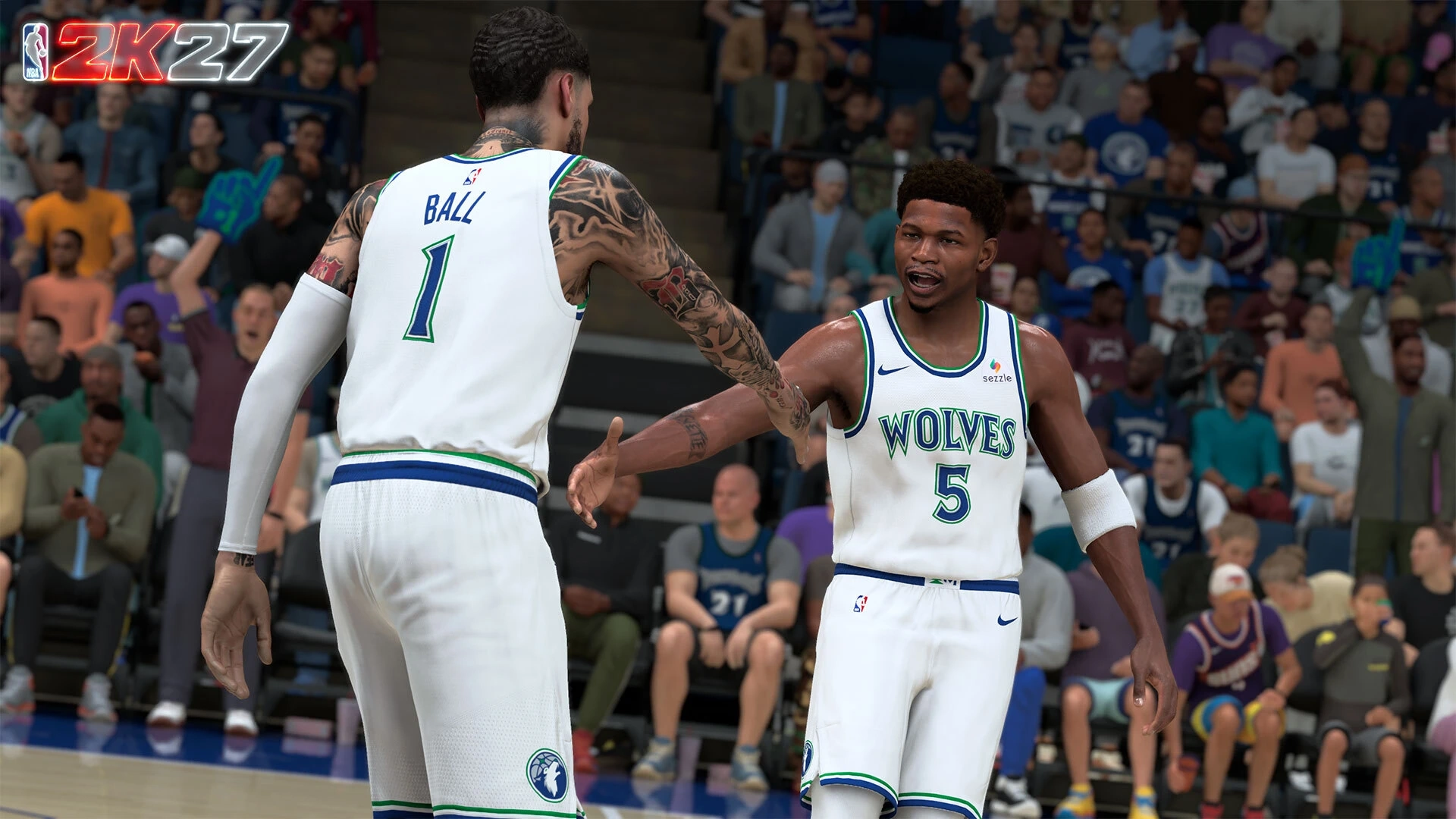
The revised morale system tracks friendships, rivalries and personality differences. The report describes relationships developing from shared history and competition, with chemistry affected by compatible or conflicting personalities. A pair of players can look excellent on a ratings screen and still ask for care in how the team is assembled and managed.
Treat chemistry as information to investigate alongside on-court results. If an expensive new pairing is struggling, examine role, minutes and relationships before immediately replacing a third player. A roster is a network of interactions. Solving the wrong problem with another signing can leave the original issue intact while adding a new promise or contract that is harder to manage.
Swipe to read the full table →
| Front-office decision | Immediate question | Longer consequence |
|---|---|---|
| Pitching a star | What makes this offer attractive? | Promises can shape later moves |
| Pairing major players | Do roles and relationships fit? | Chemistry affects the season |
| Developing a prospect | Where will meaningful minutes come from? | A crowded rotation can undermine the plan |
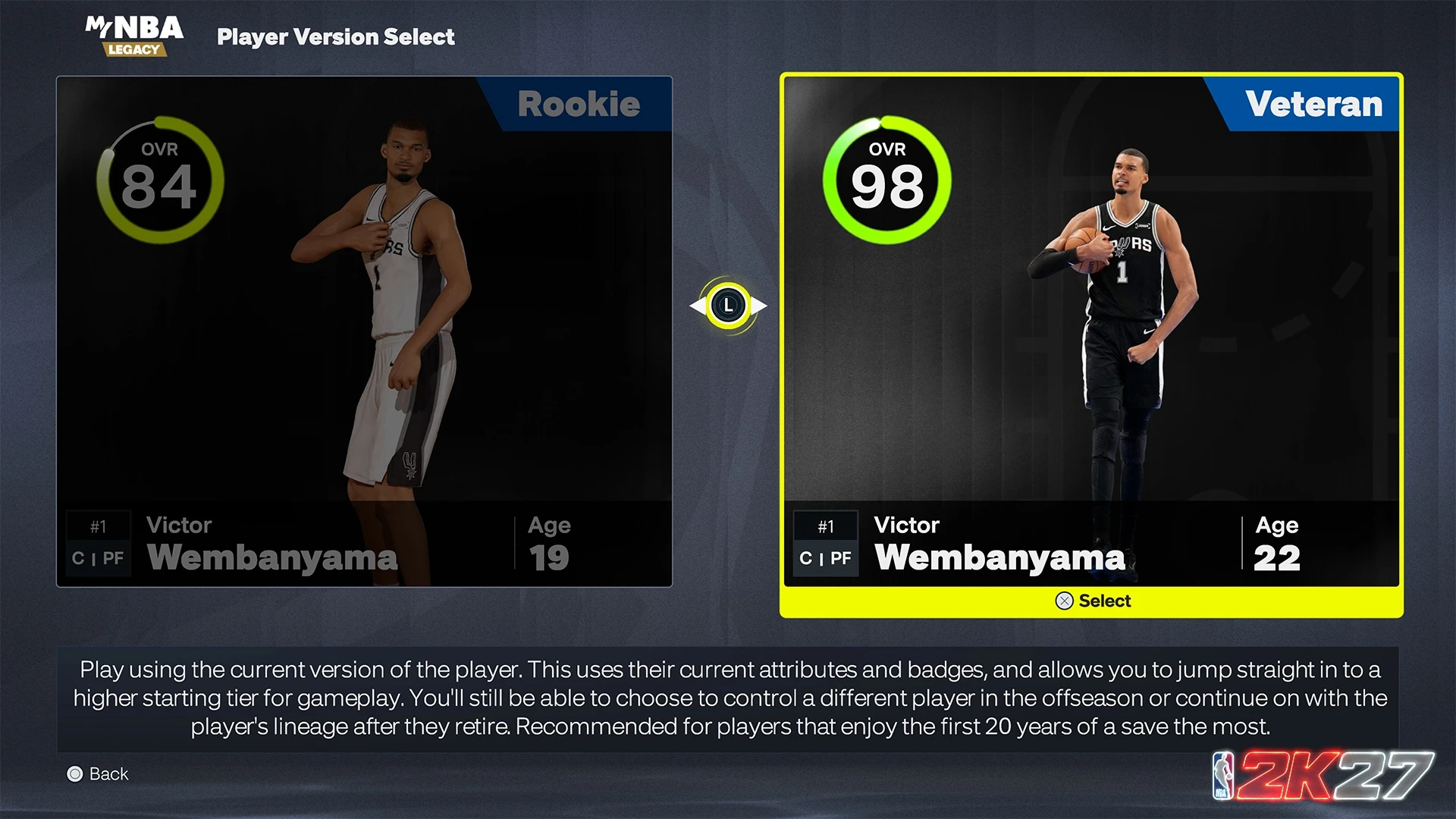
| Starting Legacy | Current form or rookie form? | Progression changes the player’s path |
Legacy gives one player a long horizon
MyNBA Legacy is described as a single-player, player-locked route inside a 100-year league. Starting in the Modern Era, you choose a Legend and can keep their current form or revert them to a rookie version. You then combine front-office control with playing as that selected athlete. It is a different objective from merely controlling whichever player has the ball.
Progression follows performance and milestones: game statistics, awards, playoff success and career records can contribute XP. The report says milestones can be completed through playing, simulating or a mixture. That flexibility lets you decide how much of the long career to experience possession by possession. It also makes it useful to choose a goal for the save before accelerating several seasons through simulation.
Spend progression on a recognizable direction
Legacy tiers provide Badge opportunities and Performance Points. Training Camps can permanently improve attribute groups, and bonus abilities offer additional ways to develop the Legend. The report presents this as an open single-player sandbox, giving more freedom than a competitive mode constrained around comparable created players.
That freedom is easier to enjoy with a theme. You might build a defender into an offensive focal point or give a favorite veteran a new rookie career. Keep the development attached to that idea so the next upgrade changes something you can notice. If every category rises together without a goal, the progression screen may become busy while the basketball feels less distinctive.
The W and MyWNBA are different routes
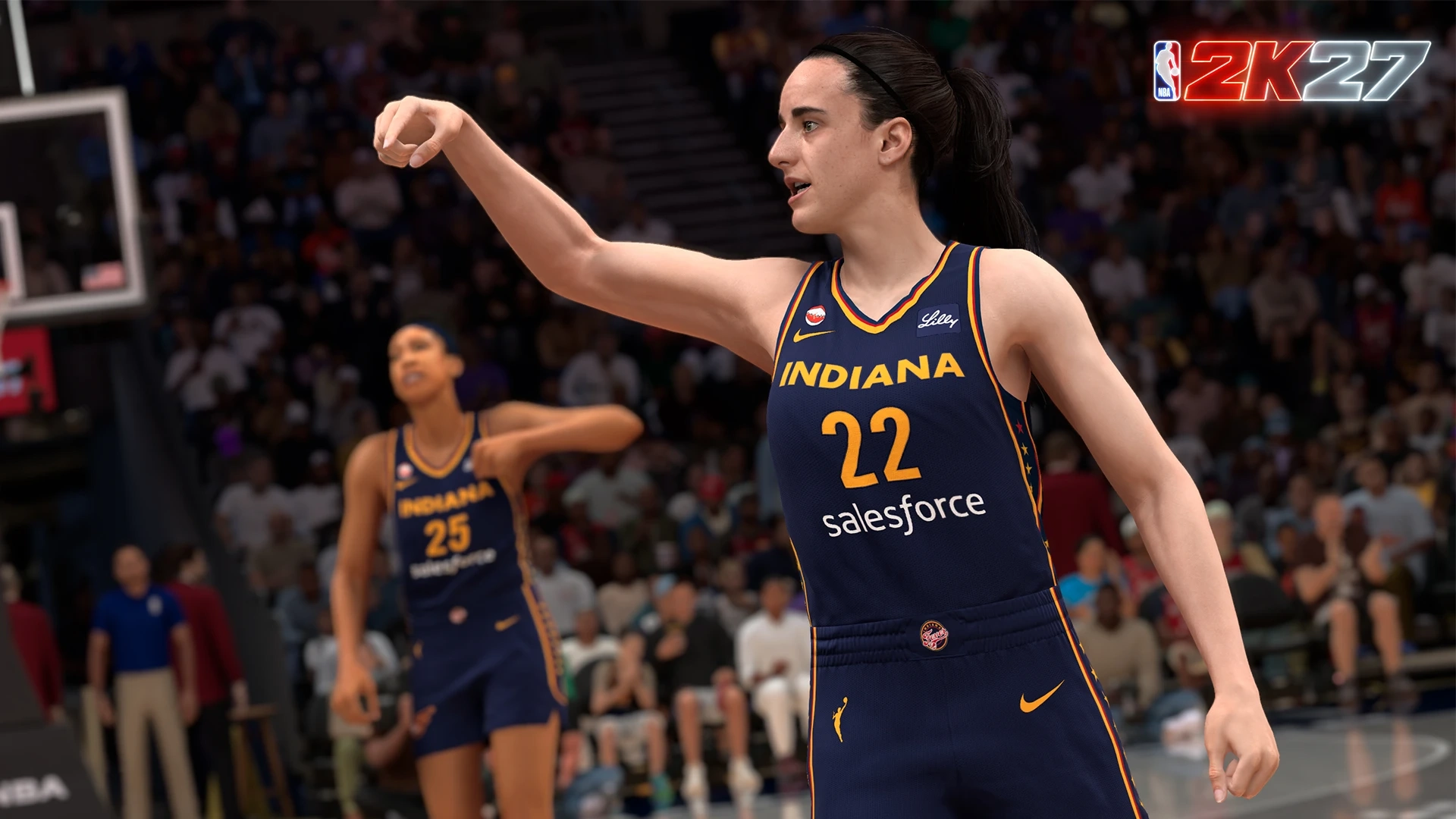
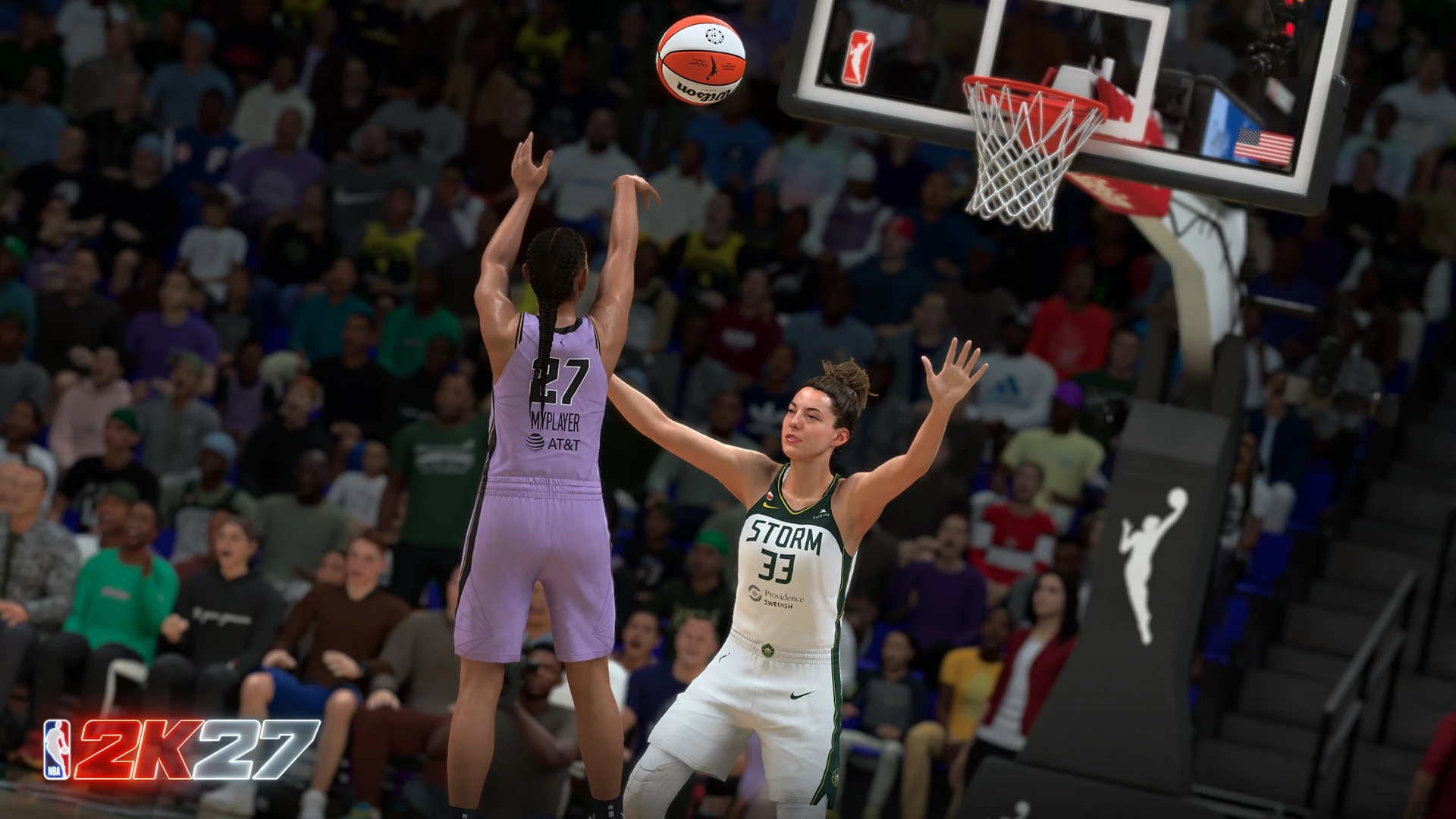
The W focuses on a WNBA player’s career. Its Build-as-You-Go model lets attributes be removed and reapplied, with physical specifications affecting caps and MyPoints supporting development. Teammate Badges concern interactions with a designated teammate, while play-calling responsibilities expand through career progress. This gives the player a route to change their role as the season develops.
MyWNBA instead provides front-office control, mirroring the franchise approach described for MyNBA. If the appeal is trading, drafting and shaping the league, choose that route rather than expecting The W’s personal career to provide the same management screen. The product notice lists Play Now, MyNBA and The W as offline options; check the current mode and feature requirements when moving beyond those specifically named entries. Keep each save’s purpose clear, and a season’s ordinary roster decisions become part of the story you are choosing to tell.