The City starts with who is playing
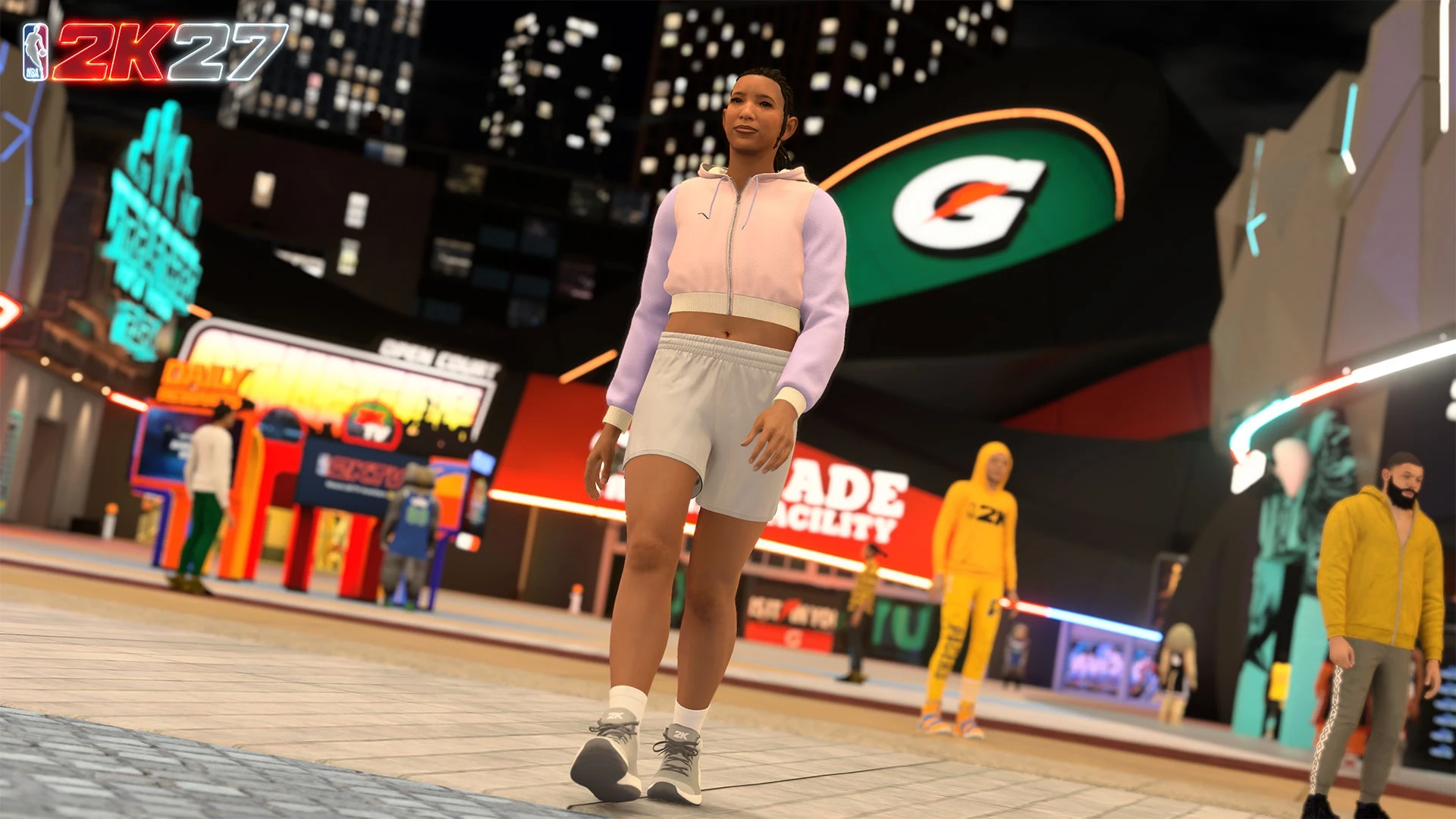
The first co-ed City in NBA 2K27 lets male and female MyPLAYERs compete in shared activities. The Builder report describes a common performance framework, with size and ratings determined by the build. The City gives those players several kinds of court, so the first useful choice is the group you are entering with and the sort of session you want.
A regular squad looking for practice has different needs from a solo player learning the game or friends gathering for a short competitive run. Choose the destination before asking every teammate to redesign a build. The court’s format, available controls and matchmaking context can reveal what the group actually needs much more clearly than a generic list of ideal player types.
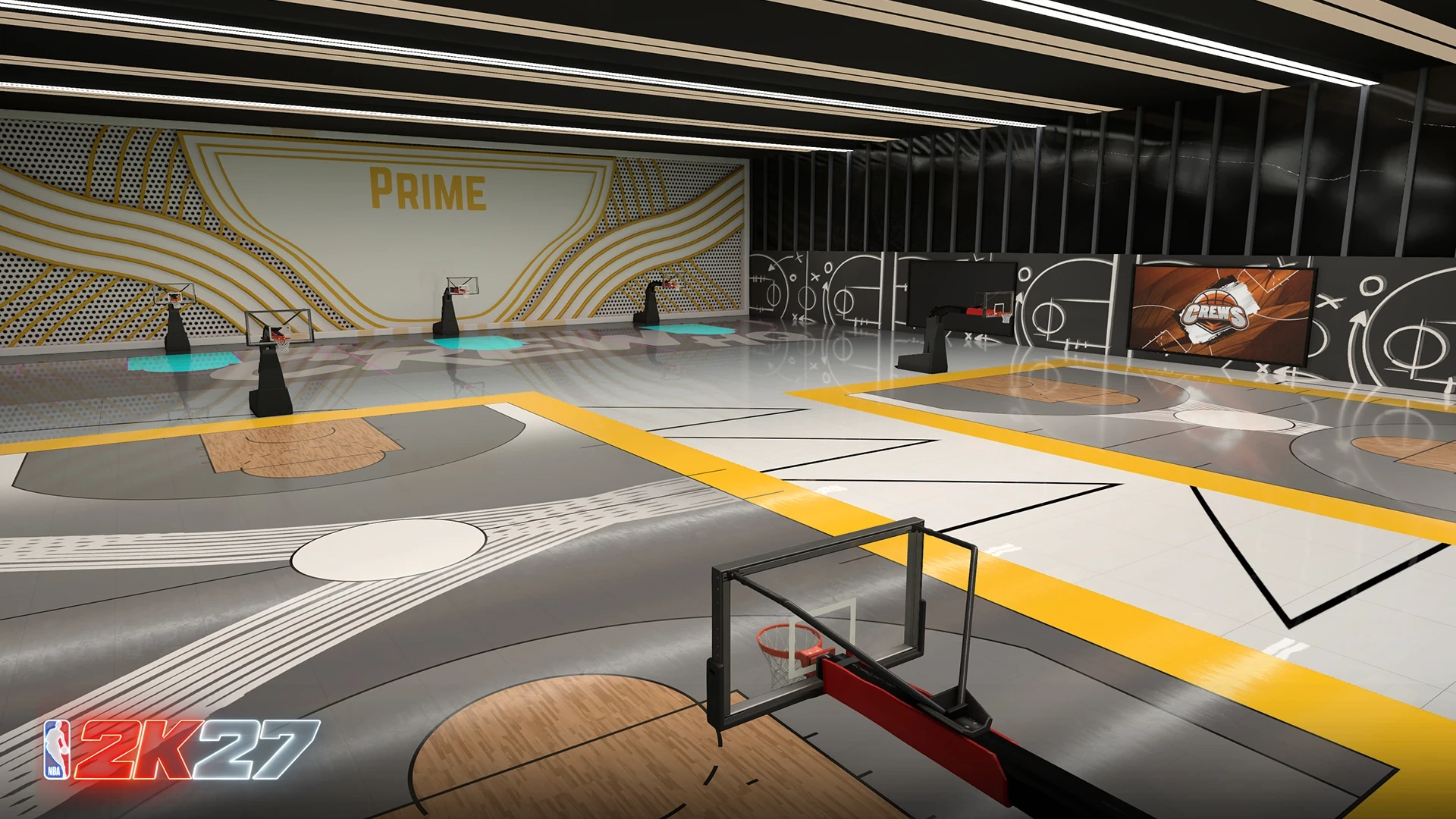
Crew HQ gives the squad a place to work
2K describes Crew HQ as a shared home base, comparable in purpose to an individual MyCOURT. It includes voice chat and several practice spaces: half-court arrangements for smaller groups and full courts for larger games. Matchmaking supports competitive Crew play in 3v3 and 5v5 formats. The room is useful before the record matters.
Use a short practice to answer one team question. Who handles the first screen? Where should the weak-side player stand? What happens after an offensive rebound? A shared court lets everyone see the same possession, making the discussion concrete. A missed pass can become a spacing adjustment instead of a disagreement about which player has the best build.
Casual Corner is an entry, not a permanent label
Casual Corner is an optional, rookie-friendly area offering 3v3 and 5v5 games. The report says activities there are assigned with reference to Overall Performance tier, also described as plate color. That makes it an entry worth inspecting for players who want to build confidence before moving into the wider City.
Read the eligibility and current activity shown by the game rather than assuming the same queue is always open to everyone. A friend’s access does not by itself establish your own access. Once inside, use the games to learn pace, passing outlets and defensive assignments. The area is most useful when it gives a player understandable repetitions, not when every possession becomes an attempt to prove they should already be elsewhere.
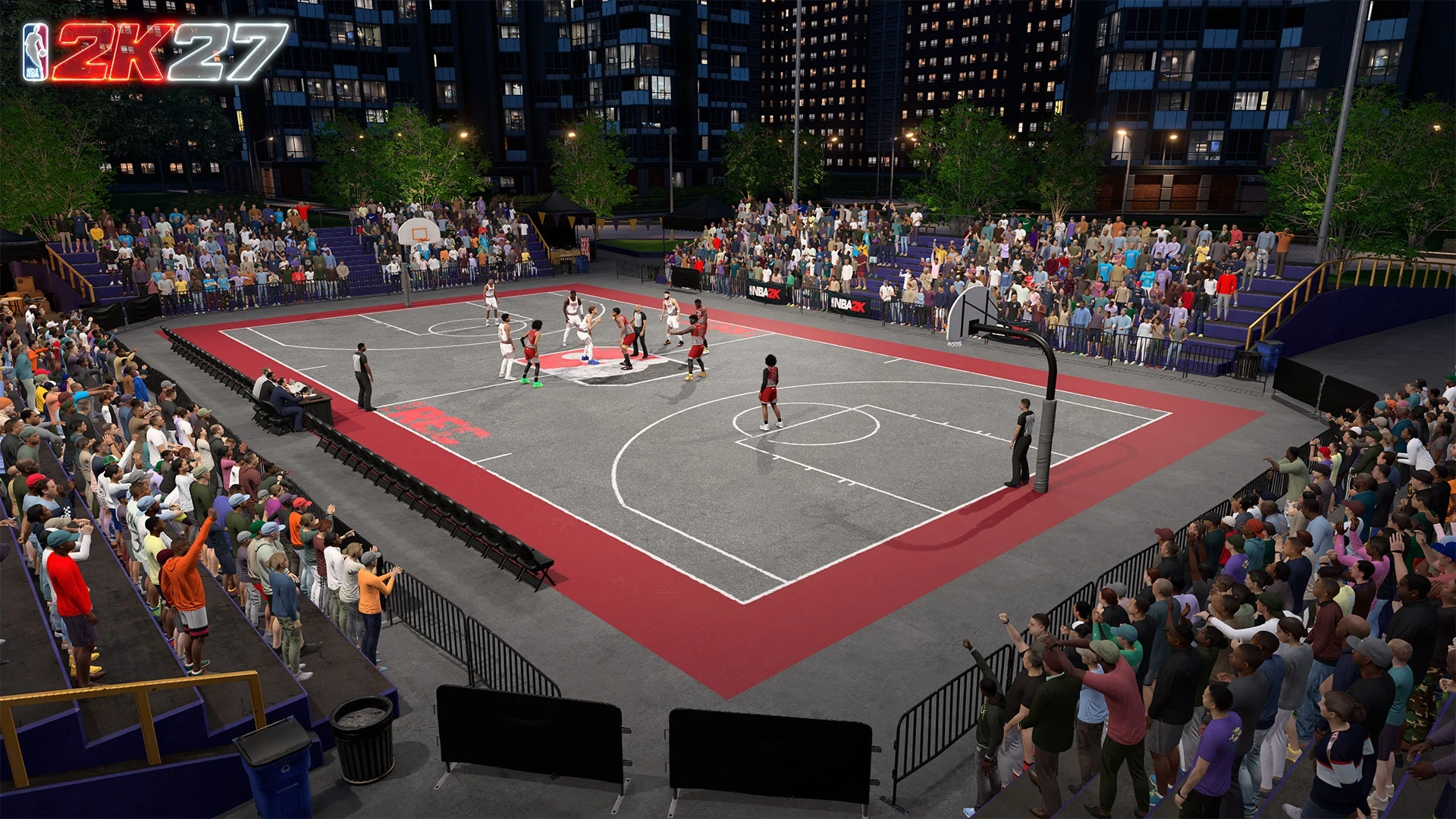
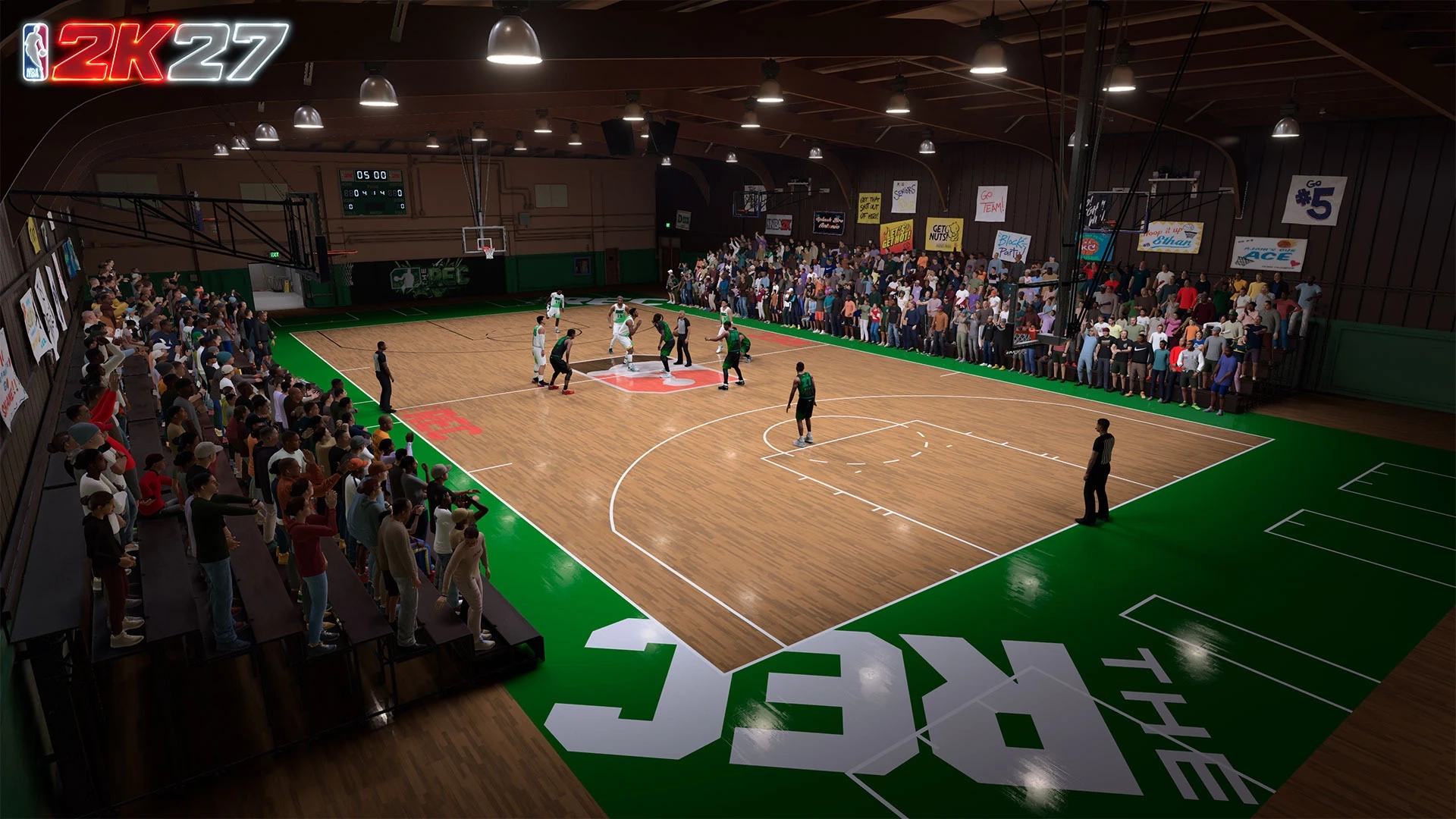
The REC and Park ask different questions
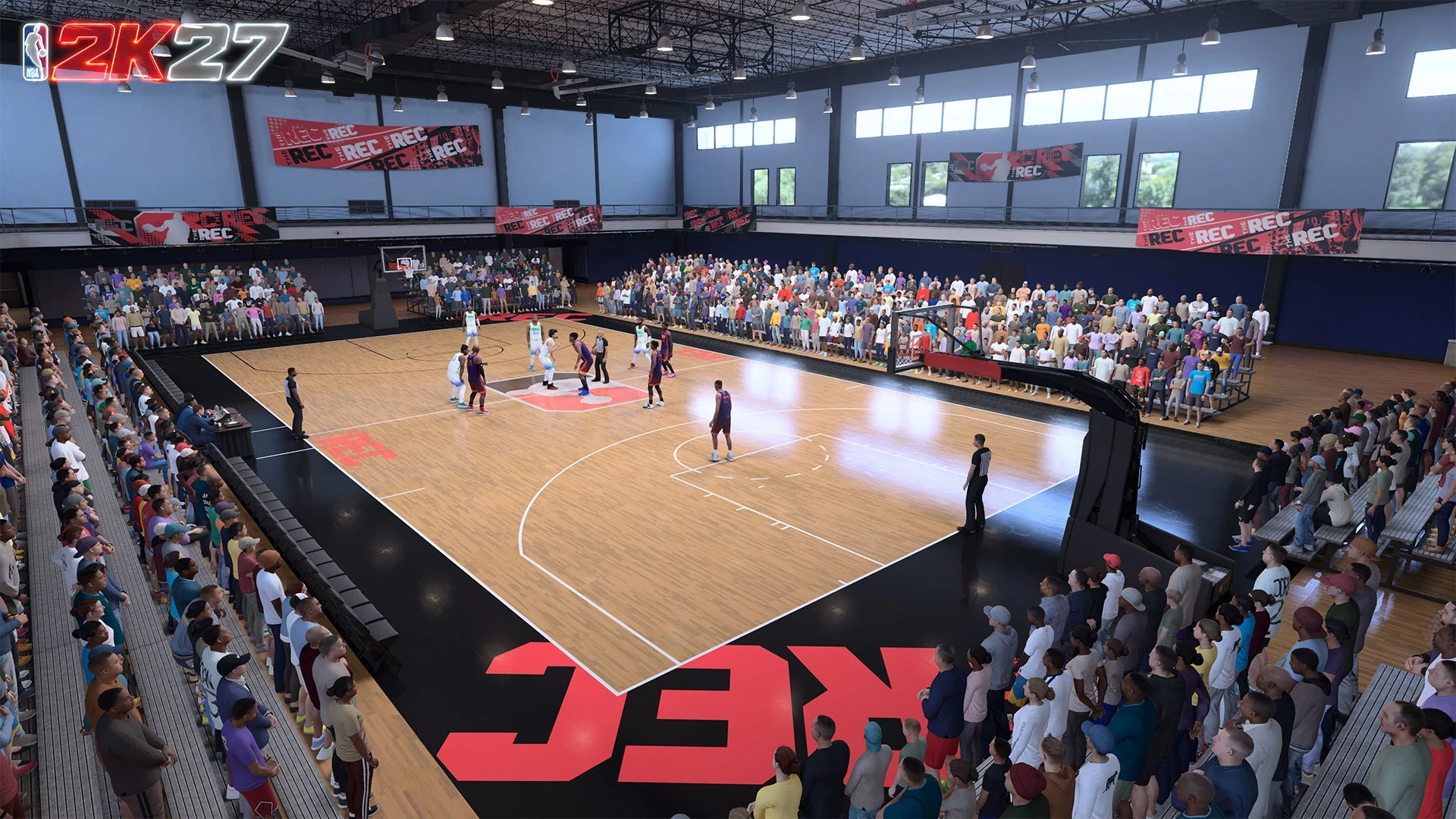
The City report includes The REC and Park among its main competitive destinations. Their formats shape what a build is asked to do. A player who sees fewer teammates on a smaller court may need to cover more than one responsibility, while a full team can divide creation, spacing and interior work more deliberately.
Before queuing, agree on a few ordinary situations rather than a complicated playbook. Decide who brings the ball up, who stays available when the handler is pressured and who protects transition after a shot. If the first game exposes a repeated problem, change the spacing or assignment before concluding that someone must spend resources on a new player. Many breakdowns are visible decisions that the existing group can adjust.
Rucker Park connects the street and the story
Rucker Park is recreated in The City and also appears in Fire & Concrete. That connection gives the venue a role beyond being a background for screenshots. The same space can be part of a personal story and a recognizable basketball setting within the wider mode.
The report also describes Street Kings, Daily Rivals and Player Medals as parts of the City’s activity and identity. Read the current activity’s objective before joining: a session built around a particular opponent or challenge need not reward the same behavior as an ordinary team game. Medals reflect lifetime challenges and milestones, and can be displayed in pregame and related presentation. They are records of achievements, not a substitute for knowing a teammate’s role.
Swipe to read the full table →
| Destination or feature | Useful purpose | Check before joining |
|---|---|---|
| Crew HQ | Practice and organize a regular group | Court size and matchmaking choice |
| Casual Corner | A supported entry for newer players | Current eligibility and activity |
| The REC | A larger team context | Role, spacing and transition assignment |
| Park | A smaller-group session | Who handles each shared responsibility |
| Player Medals | Display milestones | The actual challenge behind the medal |
Check the platform before sending the invitation
The official FAQ separates two crossplay groups: PlayStation 5 with Xbox Series X|S, and Windows PC with Steam. Console versions cannot play with the PC group. A shared game title or 2K Account does not erase that boundary. Paid online console subscriptions are also identified as a requirement for the relevant console multiplayer experience.
Confirm platforms before arranging the session, then use the current friends and invitation screens. The October patch includes social-menu and matchmaking fixes, so an old workaround may no longer be appropriate. If an invitation fails, a useful note contains both players’ platforms, the destination and the action that failed. Once everyone is on the same court, begin with one repeatable possession. The City becomes easier to navigate when each visit has a basketball purpose.